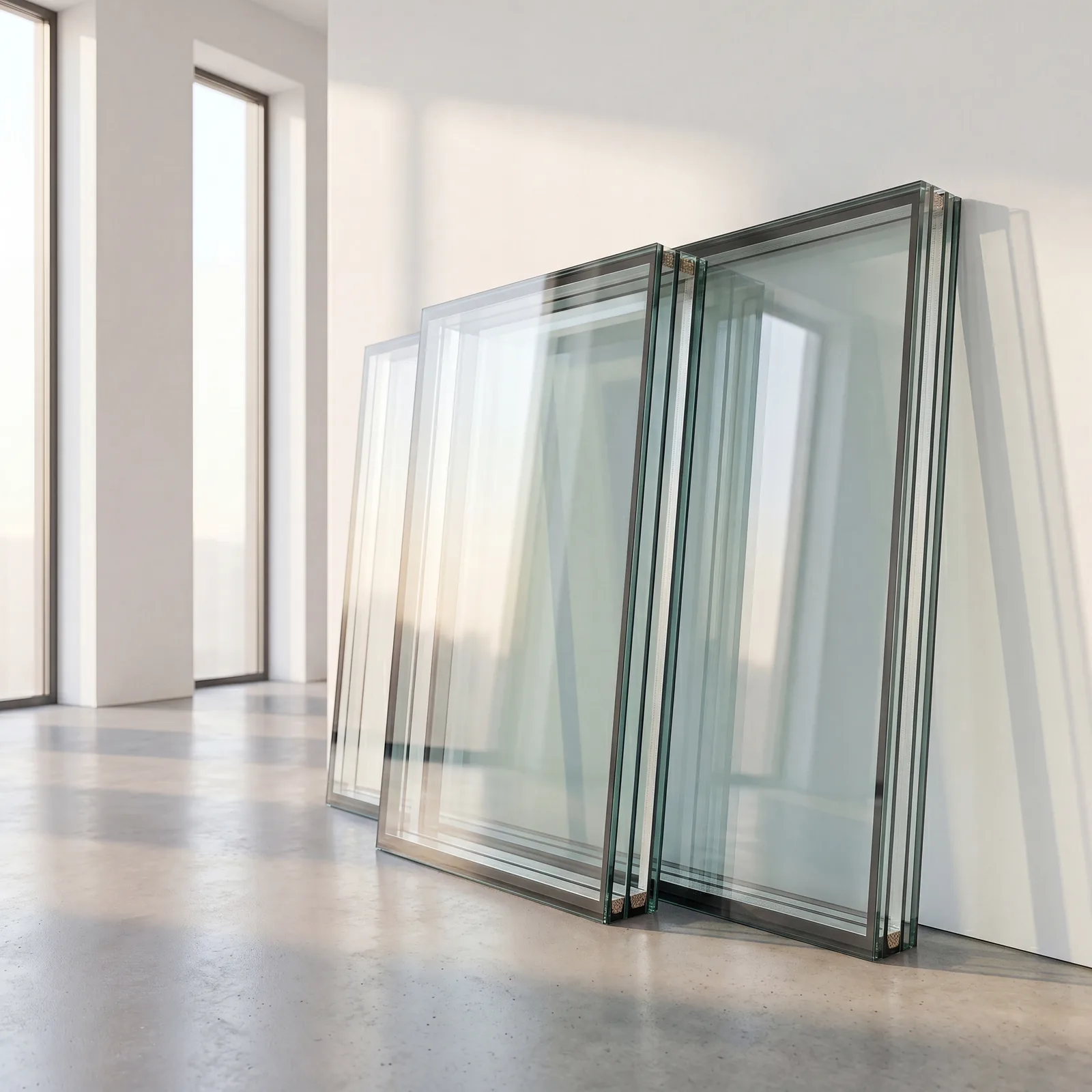
The short answer: triple glazing is worth considering when comfort, heat retention, noise reduction or large areas of glass matter. It is not automatically the best value for every home. A high-quality double-glazed window can still be the right choice for many projects.
The best decision comes from looking at the whole window or door system: frame, glass, spacer bar, seals, ventilation and installation quality. Adding a third pane cannot compensate for poor fitting or the wrong product choice.
Double glazing vs triple glazing
| Factor | Good double glazing | Triple glazing |
|---|---|---|
| Thermal comfort | Strong performance when installed well. | Can improve comfort further, especially on exposed elevations. |
| Internal glass temperature | Usually comfortable in modern systems. | Often warmer to the touch, reducing cold spots near the glass. |
| Noise | Can perform well with the right glass build-up. | May help, but acoustic glass design matters more than pane count alone. |
| Weight and frame suitability | Suitable for most modern frames. | Heavier, so the frame and hardware must be specified correctly. |
| Budget | Usually lower upfront cost. | Higher upfront cost, best justified by comfort or performance priorities. |
Where triple glazing helps most
Triple glazing is most persuasive where comfort or exposure is a real issue. That often includes north-facing rooms, large glazed openings, bedrooms facing busy roads, exposed detached homes and premium aluminium projects where the frame and glass are being upgraded together.
Large panes of glass can make a room feel colder if the specification is weak. Triple glazing can help create a more stable feel near the window, especially in winter evenings when people sit close to the glass.
When double glazing may be enough
Good double glazing is still a sensible choice for many homes. It may be the better value option where openings are small, the home is sheltered, the budget is fixed or the main problem is poor installation rather than the glass specification.
If existing frames are damaged, draughty or poorly installed, simply comparing double and triple glazing misses the point. The replacement system and installation detail may matter more.
Noise reduction needs the right glass build-up
Triple glazing can reduce some noise, but acoustic performance is not just about the number of panes. Pane thickness, laminated glass, air gaps, seals and the frame all affect the result.
For homes near main roads, flight paths or busy town centres, ask for an acoustic specification rather than assuming any triple-glazed unit will solve the issue.
Cost factors without guesswork
It would be misleading to give a single price for triple glazing without measurements and product details. The cost depends on window size, frame material, sealed unit specification, access, colour, hardware, installation complexity and whether the existing openings need remedial work.
For budget planning, compare itemised quotes carefully. Check whether the quote includes survey, removal, disposal, trims, making good, ventilation requirements and the exact glass specification. Our new window cost guide explains this in more detail.
Ventilation and condensation still matter
Triple glazing can make the internal pane warmer, which may reduce some condensation risk. It does not remove moisture from the home. Cooking, drying clothes, showers and poor ventilation can still cause condensation on glass and surrounding surfaces.
Good window design should consider trickle ventilation, room use and airflow. A warmer sealed unit is helpful, but it is only part of the comfort picture.
Material note: if you are deciding between aluminium and uPVC at the same time, read our window material comparison before finalising the glazing specification.
Common mistakes to avoid
- Choosing triple glazing without checking whether the frame system is suitable.
- Expecting triple glazing alone to fix draughts caused by poor installation.
- Ignoring acoustic glass options when road noise is the main concern.
- Forgetting ventilation requirements in bedrooms, kitchens and bathrooms.
- Comparing quotes that do not specify the same glass, spacer bar and frame system.
Frequently asked questions
Is triple glazing always better than double glazing?
No. Triple glazing can improve comfort, but good double glazing may be better value for smaller openings, sheltered elevations or projects with tighter budgets.
Does triple glazing reduce noise?
It can help, but pane thickness, laminated glass, air gaps, seals and installation quality all affect acoustic performance.
Can existing windows be upgraded to triple glazing?
Only if the existing frame can safely accept the thickness and weight of the new unit. Many upgrades require a full window replacement.
Does triple glazing stop condensation?
It can reduce some condensation risk by keeping the internal pane warmer, but indoor humidity and ventilation still need to be managed.